
In today’s fast-paced cash economy, knowing how to tell if a twenty dollar bill is fake is an essential skill for businesses, collectors, and everyday consumers. Counterfeit currency continues to circulate worldwide, and being able to quickly recognize the signs of a fake $20 bill can protect you from financial loss. This practical guide will walk you through the key security features and visual clues that help determine whether a $20 bill is genuine or counterfeit.
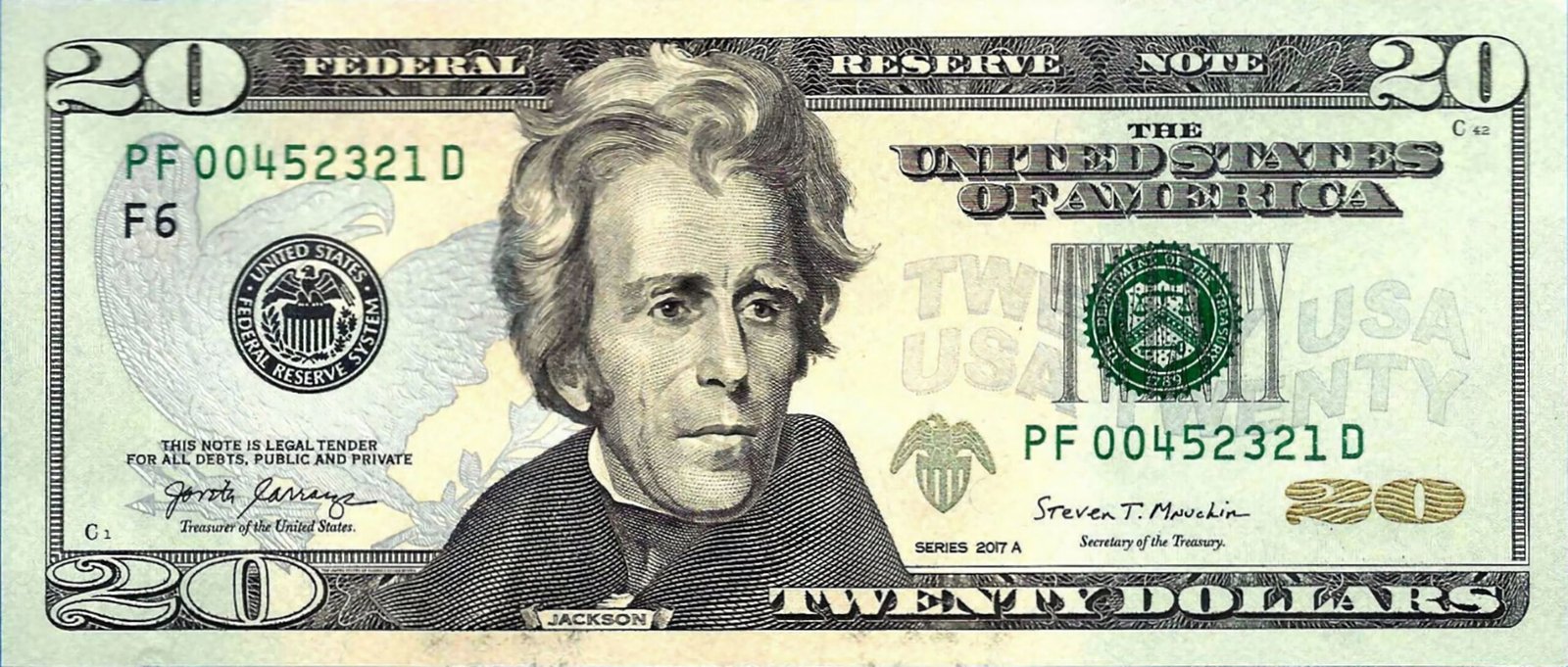
The modern U.S. $20 bill prominently features the portrait of Andrew Jackson, the seventh President of the United States. Authentic notes issued by the United States Bureau of Engraving and Printing contain several advanced security elements designed specifically to combat counterfeiters. Learning to identify these details is the easiest way to verify a bill’s authenticity.
One of the first things to check is the paper texture. Real U.S. currency is printed on a unique blend of cotton and linen, giving it a slightly rough, fabric-like feel. Counterfeit notes are often printed on regular paper, which feels smoother and thinner. When you gently rub the surface of a genuine $20 bill, you should feel subtle raised ink from the printing process.
Next, hold the bill up to the light to locate the security thread. Genuine $20 notes contain a thin embedded strip that runs vertically through the paper. This thread should read “USA TWENTY” and glow green when viewed under ultraviolet light. If the thread is missing or located in the wrong position, the bill is likely counterfeit.
Another critical feature is the watermark. When you hold the bill up to light, you should see a faint image of Andrew Jackson on the blank space to the right of the portrait. This watermark is embedded in the paper during manufacturing and cannot be easily replicated by counterfeiters.
Color-shifting ink is also a powerful anti-counterfeiting measure. On genuine $20 bills, the number “20” in the lower right corner changes color—from copper to green—when you tilt the note. Counterfeit bills often fail to reproduce this effect accurately.
Microprinting provides another layer of protection. With close inspection or a magnifying glass, you’ll notice tiny printed words such as “USA20” or “THE UNITED STATES OF AMERICA” around the portrait and borders. These details are extremely difficult for counterfeit printers to replicate clearly.
Finally, pay attention to the overall print quality. Authentic notes printed by the United States Bureau of Engraving and Printing have sharp lines, intricate patterns, and balanced colors. Fake bills may appear blurry, uneven, or overly bright.
Understanding these simple checks—paper feel, watermark, security thread, color-shifting ink, microprinting, and crisp printing—can help anyone quickly identify a fake $20 bill. Whether you’re a small business owner handling cash daily or a consumer wanting to protect your money, learning how to verify authentic currency is a valuable skill.
By staying informed about counterfeit detection, fake money identification, and U.S. currency security features, you can confidently handle cash transactions and avoid falling victim to counterfeit $20 bills. Knowledge is your best defense when it comes to protecting your finances and ensuring every bill in your wallet is the real thing.
You have not enough Humanizer words left. Upgrade your Surfer plan.